
Landscaping Reimagined
Xeriscaping Gains Ground Across the North State…
There’s at least one in every neighborhood—a house with a lush, glowing green, perfectly-manicured lawn and garden beds that are Better Homes & Gardens Magazine-worthy. Yards like this exude time-honored tradition and pride in ownership. It’s the kind of thing you see in movies: patient, enduring neighbors carefully mowing and edging blankets of green and trimming hedges into perfect shrines to the American Dream, waving and smiling to passersby. It’s the vision many have in their heads when they imagine the home they’ve always longed to create.
Yards like this are the envy of every neighborhood—the proverbial gold standard. They take time, energy and effort to curate so immaculately, and, in today’s world, most people are too busy keeping their heads above water to be able to pull it off.

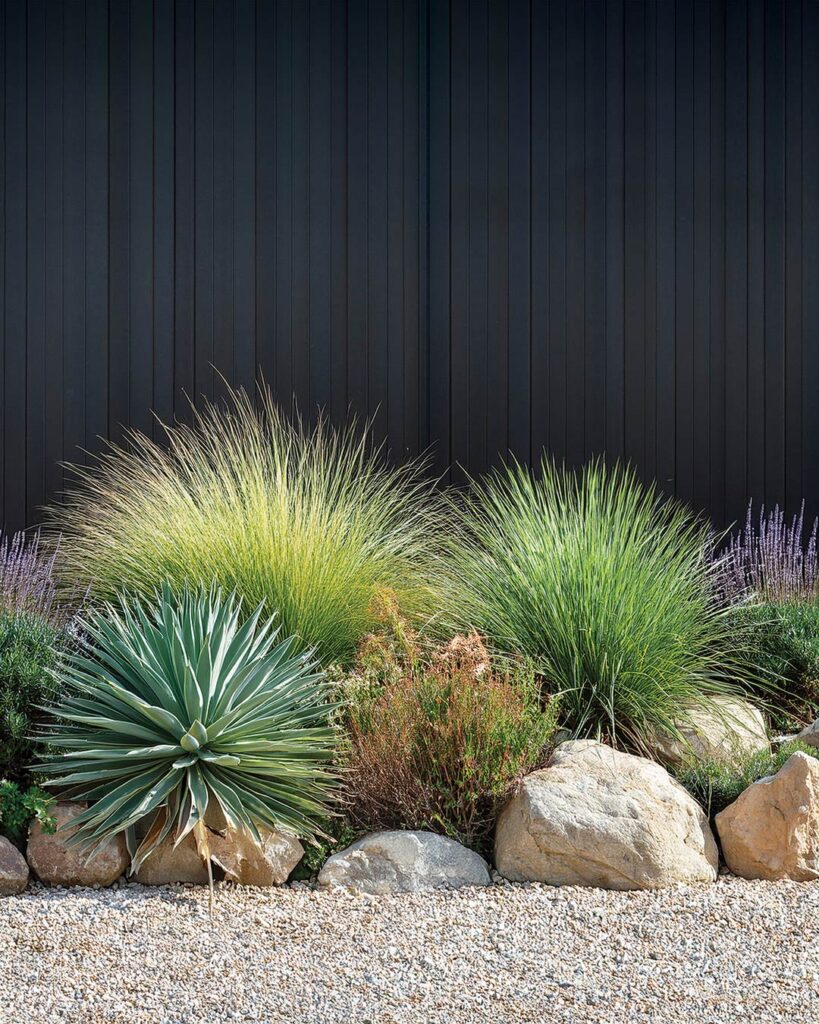
Enter the xeriscape (pronounced zera-scape)—a landscaping technique that employs water-conscious methods and materials to reduce or eliminate the need for an irrigation system. Xeriscapes, sometimes called hardscapes, trade palatial green grass for rock, sand and decorative pavers and blooming, ornamental garden beds for plants, trees and grasses known to thrive with low maintenance in hot, dry climates.
It won’t be easy to let go of the long-held sentiment that a beautiful yard is one with rambling green grass and perfect hedges, but with some inspiration, vision, and an open, willing heart, a xeriscape may just make your yard the next envy of the neighborhood. Here are 10 reasons to consider creating a xeriscape.

It Reduces Your Outdoor Water Usage: Creating a xeriscape in your yard can reduce outdoor water usage by 50 to 75 percent, according to National Geographic. With rainfall and snowpack wildly unpredictable year over year, and state regulations requiring increased water reduction across the board, creating a landscape that can be maintained even during drier or hotter years is the path of greatest sustainability.
Xeriscapes are Heat and Drought Tolerant: Let’s face it—North State summers are brutally hot and dry, and growing plants that cannot withstand the hot-as-Hades Northern California heat is like forcing a square peg into a round hole. Sure, you may be able to make it work, but why create undue stress for the plants or yourself?

They Are a Medicinal Source, Too: From teas and tinctures to aromatherapy, plants like mint, chamomile, yarrow, beebalm and dandelion (often written off as a mere weed, but packed with benefits) can turn your xeriscape into an outdoor medicine cabinet. Be sure to do some thorough reading and, most importantly, consult your doctor before using any plant-based teas, tinctures or treatments, as some don’t mix well with prescribed medications or other supplements.
They Can Be a Food Source: Imagine your xeriscape doubling as your own private farmers market. Edible plants like rosemary, thyme, lavender, common sage, olives (curing is required first), and more can take the heat in your yard and in your kitchen

Xeriscapes Welcome Pollinators and Other Winged Friends: From bees and butterflies to dragonflies and hummingbirds, a xeriscape can be the perfect environment for pollinators to work their magic. Bees love lavender, calendula and beebalm. Milkweed draws in beautiful butterflies. Pollination is critical for both crop growth and oxygenation, so it’s always a good idea to roll out the red carpet for the tiny creatures that help keep us alive.
Xeriscapes are Low-Maintenance: Don’t let your landscaping be more of a burden than a blessing. Imagine what you could do with the countless hours and all the energy spent mowing your lawn, trimming hedges or hand watering delicate plants that can’t handle the blazing hot North State summers.

Resources and Know-How Are Readily Accessible: There is no shortage of great local nurseries with an abundance of drought-tolerant plants to shop with in the North State. The staff at these local nurseries are well versed in plant selection, the impacts of drought conditions on plants, growing zones and the micro-climates that can influence your garden’s success.
They Help Create a Fire-Safe Barrier for Your Home: Using fire-resistant materials like rock, sand, decomposed granite and pavers in place of grass means you have a built-in fuel break on your property. In Northern California, where wildfire is a constant consideration, your landscaping can play a small but valuable role in fire mitigation efforts.

Xeriscapes Are Aesthetically-Pleasing: The right combination of materials and plants can create a gentle, easy-on-the-eyes escape from the stress of life. Sparser than their traditional counterparts, xeriscapes carry the perfect heir of zen. They make lovely use of negative space between the rocks, pavers, decomposed granite, or sand and drought-tolerant trees, plants and shrubs. With a xeriscape, less is even better than more.
They Save Money and Add Value: With costs rising out of control, creating a xeriscape is one step you can take to keep some green in your pocket. Lower water usage can mean a reduced water bill. Creating a xeriscape is cheaper than filling your yard with sod or artificial turf. While it is an up-front investment, it can increase your property value by as much as 14 percent, according to Hydropoint.com, a website dedicated to smart indoor and outdoor water management. Rental properties with xeriscapes can be more appealing to renters because they don’t require the added cost of landscaping each month.